Need polyaspartic floor coating in Aurora?
- Match with independent local floor coating providers
- Photo and note checklist
- Written quotes to compare
- No obligation
No obligation
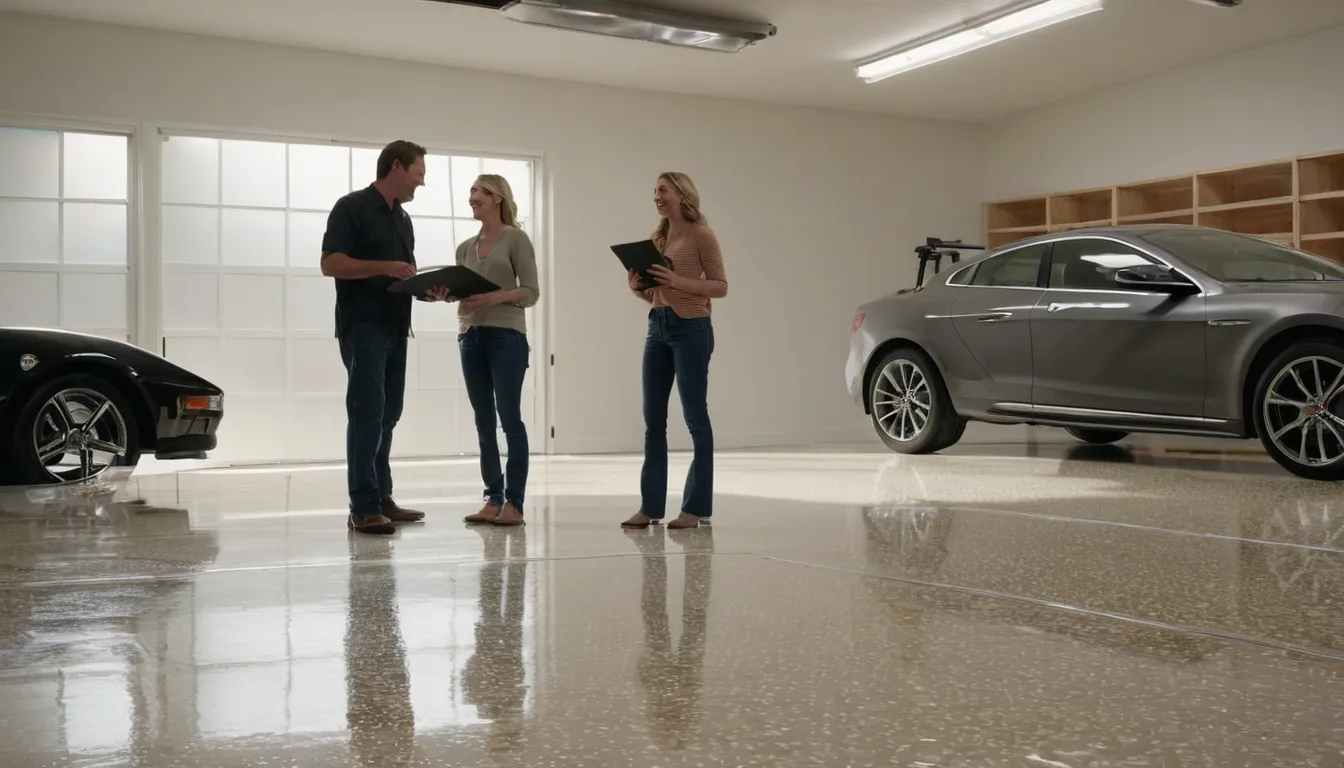
Request an estimate and compare quotes
Polyaspartic is a tough, clear-to-colored coating that bonds to prepared concrete. It cures faster than many other coatings, which is why people choose it for a garage they use every day. It also resists sun yellowing, which matters in a bright, high-altitude climate.
Splaopenday Floor Coating is a referral service. We do not coat floors. We connect you with independent providers in our network who do the grinding, repair, and coating. Use this page to sort your steps: document the floor, learn what you can safely handle, and know what to ask. Then request an estimate and compare written quotes for Aurora and the Aurora area.
Polyaspartic is known for short cure times. That is the main reason homeowners ask about it. Use this short checklist:
1. First, document it. Take photos of cracks, stains, oil spots, and flaking areas. 2. Next, measure the floor and note what you park or store on it. 3. Then, request an estimate and compare written quotes.
How soon you can drive on the floor depends on the product, the temperature, and the provider's plan. Request a callback to check provider availability, or use the request form.
Both are resin coatings. They act differently.
Neither one is a magic fix. A coating is only as sound as the slab and the prep under it.
Some tasks are safe for a homeowner. Others are not.
Safe to help with:
Leave to the provider:
A rented grinder is heavy and easy to misuse. Gouges and uneven prep show through the final coat. Mixing polyaspartic by hand is also risky because it sets so fast.
Ask the provider which layout fits your floor.
A hybrid often suits a rougher slab. A full system may suit a floor that gets strong sun through the door. Ask for the plan to be written down.
Here is the usual order of work. Details vary by provider.
1. Inspect the slab and test for moisture. 2. Grind the surface to a rough profile. 3. Repair cracks, pits, and control joints. 4. Clean away all dust. 5. Apply the base coat, then color flakes if chosen. 6. Finish with the polyaspartic topcoat. 7. Cure the floor before cars and heavy items return.
One rule: if a provider skips grinding, ask why.
It is a form of concrete coating, so it suits bare, sound slabs the most. A slab with active moisture problems needs those fixed first. Your plans for hardwood flooring installation elsewhere in the home do not change this; each floor has its own prep.
Dry air and cool nights affect how coatings behave. So does the sun at altitude.
Spring and fall often work well. Ask the provider what temperature range the product needs, and what the plan is if weather shifts.
Choose these before the job starts.
Look at a sample board in your own garage light, not just indoors.
Keep it simple.
Ask the provider for written care steps and how long to wait before the first deep clean.
First, document it. Then keep every record in one folder.
If the floor was damaged by a sudden event, some policies may cover it, so check your policy. Providers can often help document damage for a claim.
Quote in writing, every time.
Diamond grinding, crack repair, and dust cleanup so the coating can bond to the slab.
A base layer plus optional flake or solid color, chosen from samples before work starts.
A clear, hard topcoat that resists sun, scuffs, and tire marks once it cures.
A provider check of the finished floor and written care steps.
Prices in the U.S. vary by slab condition, size, product, and finish. These ranges are typical, not quotes. Get a written quote from the provider that lists prep, materials, and finish.
| Item | Typical range | Notes |
|---|---|---|
| Full polyaspartic system, per sq ft | $6 – $12 | Fast cure, strong sun resistance |
| Hybrid epoxy and polyaspartic, per sq ft | $5 – $10 | Epoxy base with clear topcoat |
| Two-car garage, about 400 sq ft | $2,400 – $5,000 | Depends on system and prep |
| Diamond grinding and prep, per sq ft | $1 – $3 | Often included in a package |
| Crack and joint repair | $200 – $800 | Varies with damage extent |
| Flake or custom finish add-on, per sq ft | $1 – $4 | Adds texture and color depth |
Take dated photos of cracks and stains, and note the garage size and how you use it.
Send your notes through the form, or request a callback to check provider availability.
Check the prep, system type, product, and timeline listed in each quote.
Empty the garage, confirm the plan with the provider, and keep all records.
Describe the floor, gather photos, and request an estimate in clear steps before you commit.
Local providers in our network do the work, and you deal with them directly.
Compare scope, products, and prep side by side, so you decide with clear details.
Request an estimate and compare it. You choose whether to move forward.
Polyaspartic often cures faster than many epoxy coatings, but timing depends on the product, the temperature, and the system used. Ask the provider for a written timeline for foot traffic, cars, and heavy items.
It depends on your floor and use. Polyaspartic resists sun and cures fast, while epoxy can cost less. Many providers use both in a hybrid system. Compare written quotes.
You can help with cleanup and photos, but the coating sets fast and needs grinding equipment. Most homeowners leave prep and application to a provider.
Send a few details and photos of your floor. A local provider can follow up with a written quote. Or Request a callback to check provider availability.
No obligation