Need epoxy garage floors services in Aurora?
- Match with independent local floor coating providers
- Photo and note checklist
- Written quotes to compare
- No obligation
No obligation
Request an estimate today
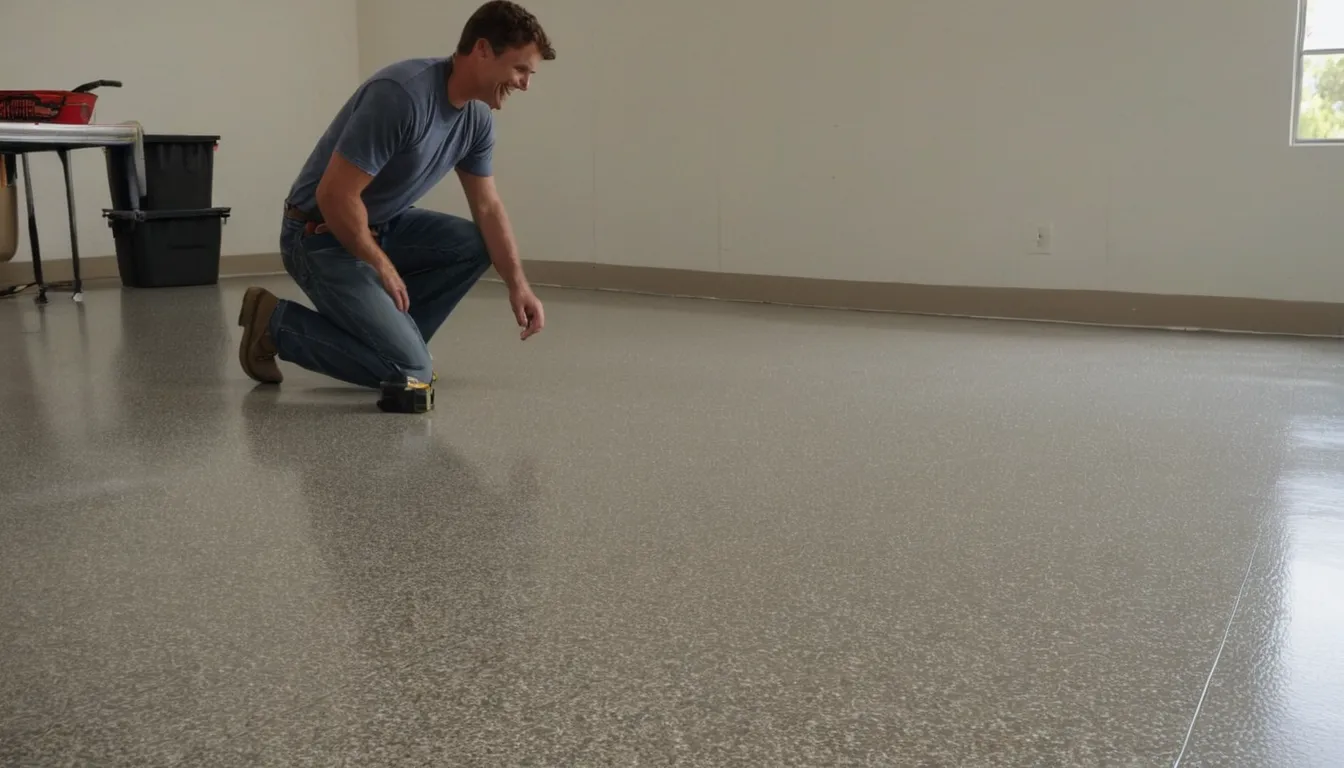
Epoxy garage floors turn rough, stained concrete into a smooth surface that is easier to clean. The coating bonds to the slab and resists oil, tire marks, and everyday scuffs. Results depend heavily on how the concrete is prepared.
Splaopenday Floor Coating is a referral service. We do not coat floors. We connect homeowners in the Aurora area with independent providers in our network who do the grinding, repair, and coating. Use this page to sort what you can safely help with, what needs professional equipment, and what to gather before you request an estimate. Then compare quotes in writing.
Peeling paint. Lifted hot-tire marks. Oil stains. Gray dust on your shoes. These are the usual signs that a garage slab needs a new coating.
Epoxy garage floors can solve most of these problems. The concrete underneath must be sound, though. This page is a checklist from worn floor to written quote.
Before anyone visits, collect your records. It makes estimates faster and more accurate.
Keep everything in one folder. If the damage came from a sudden event, such as a burst pipe, some policies may cover it, so check your policy. Providers can often help document damage for a claim.
Some prep is fine for a careful homeowner. Some jobs need heavy equipment and training.
Rental buffers and acid etching are common shortcuts. They often leave a weak surface. Ask a provider before you try them.
A coating is only as strong as the concrete it grips. Dirt, oil, old paint, and a powdery surface skin all block the bond. Grinding removes them.
Skip this step and the epoxy can peel in sheets. It often starts under hot tires.
Fast spring melt and heavy snow loads can leave slabs damp. Many homes here have basements, so the garage slab may sit near wet soil. Trapped moisture can push bubbles up under a coating.
Here is a simple test. Tape a clear plastic square to the bare floor overnight. Fog or dark spots underneath mean you should tell the provider. They can run proper moisture tests.
Many providers offer custom floor finishes. You can pick colors, flake blends, borders, or a garage-wall stripe. Ask to see sample boards in your own garage light.
1. Walkthrough and measuring. 2. Grinding and dust cleanup. 3. Crack and joint repair. 4. Primer and base coat. 5. Flakes or color layer. 6. Clear topcoat.
Providers set the schedule. Many jobs take a couple of days. Light foot traffic often returns after about a day. Cars wait longer. Get the cure times in writing.
Sun at altitude is strong. Standard epoxy can yellow or chalk near a garage door that gets direct light. A UV-stable clear topcoat helps protect the color.
Winter adds its own stress. Hail, snow melt, and road salt drip off vehicles. Ask which topcoat suits those conditions.
Request a callback to check provider availability and ask about topcoat options.
First, clear everything out. Next, unplug and move freezers, shelves, and tool chests. Then pull stored paint and chemicals out of the space.
Planning hardwood flooring installation inside the house too? Mention it. Some providers in our network handle other flooring.
Ask each provider for the same details. Compare prep, products, and timing, not only price. Then choose.
Diamond grinding by the provider removes weak concrete and old coatings so epoxy can bond.
Cracks, pits, and chipped joints are filled and leveled before any coating goes down.
Solid color, flake, or quartz layers are rolled on by the provider to your chosen look.
A clear sealing layer adds wear and UV protection and makes cleanup easier.
Prices vary by garage size, slab condition, and the system you choose. These are typical U.S. ranges only. Local rates differ, so ask each provider for a written quote that lists every line item.
| Item | Typical range | Notes |
|---|---|---|
| Basic one-coat epoxy, 2-car garage | $1,200 – $2,800 | Solid color, minimal texture |
| Flake system, 2-car garage | $2,000 – $4,500 | Includes grinding and topcoat in many quotes |
| Crack and spall repair | $200 – $1,000 | Depends on how many and how deep |
| Diamond grinding prep | $1 – $3 per sq ft | Often bundled into the total |
| Moisture testing and primer | $300 – $1,200 | More likely needed with damp slabs |
| Old coating removal | $2 – $5 per sq ft | Thick or failing paint costs more |
Take wide and close-up photos, measure the garage, and note stains, cracks, and leaks.
Send your details through the form. Providers in our network respond with next steps.
Check prep method, system, topcoat, cure times, and warranty terms side by side.
Clear the garage, confirm the date with your provider, and let them handle grinding and coating.
Describe the floor, gather photos, and send one clear request instead of repeating yourself.
Independent providers in our network know local slabs, sun, and winter conditions.
We refer you. The provider does the work and gives you the written terms.
Side-by-side written quotes make prep, products, and timing easy to check.
You can help with clearing, sweeping, and degreasing. Grinding, crack repair, and mixing epoxy are harder. Store-bought kits often peel when prep is weak. Ask a provider what is realistic for your slab.
It varies by prep, product, sun exposure, and use. A well-prepped floor with a UV-stable topcoat can last many years. Ask each provider what they expect and what the warranty covers in writing.
Peeling usually points to poor prep, trapped moisture, or hot-tire lift. Take photos and note where it started. A provider can check the slab and tell you whether to recoat or remove.
Send a few details and photos of your floor. A local provider can follow up with a written quote. Or Request a callback to check provider availability.
No obligation